Car Bonnet: Safeguard Your Vehicle With Premium Car Bonnet Solutions and Accessories
The car bonnet has a twofold function, shielding the engine while improving the vehicle's look. Superior services and accessories can greatly influence its longevity and visual appeal. Regular upkeep and suitable modifications are critical for preserving both performance and significance. Yet, many car owners disregard the importance of this component. Understanding the subtleties of care and protection can make all the difference in vehicle longevity. What steps should one pursue to guarantee optimal performance?
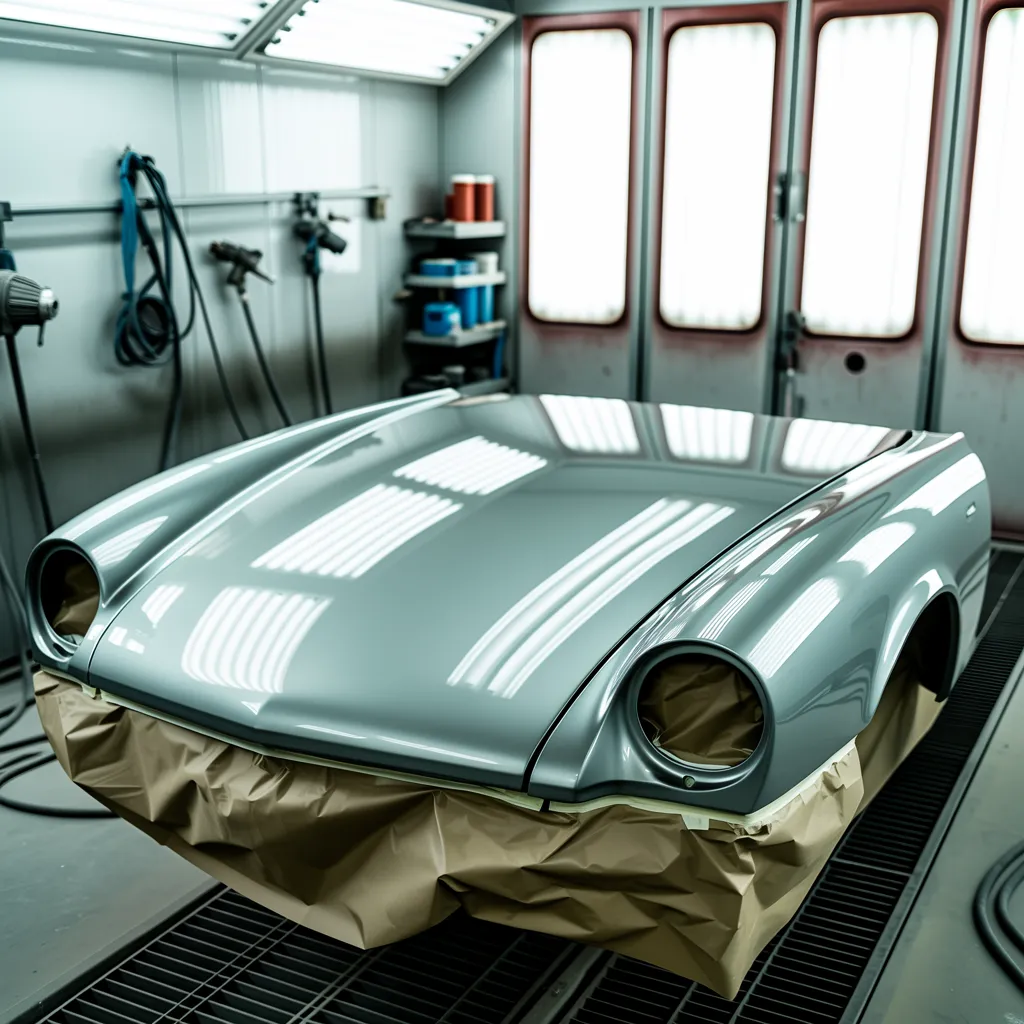
Why Your Car Bonnet Matters for Safety and Appearance
Although many vehicle owners may ignore the importance of the bonnet, it plays an important role in both safety and aesthetics. The bonnet serves as a shield for vital engine parts, safeguarding them from debris, weather elements, and potential damage. A properly maintained bonnet can prevent deterioration that could cause expensive repairs eventually.
Beyond its protective role, the bonnet significantly enhances a vehicle's overall look. It is frequently one of the first elements noticed by onlookers, affecting the car's visual appeal. Multiple designs, colors, and finishes can elevate a car's appearance, helping it stand out on the road.
Making sure that the bonnet is in ideal condition not only protects its protective capabilities but also maintains the vehicle's attractive appearance. Consistent examinations and appropriate accessories can better strengthen both functions, making the bonnet a critical aspect of car ownership.
When Is It Necessary to Repair or Substitute Your Bonnet?
Determining when to repair or change a car bonnet can be challenging for many vehicle owners. A thorough assessment of the bonnet's condition is essential. If there are small dents or scratches, repair might be enough, especially if the damage does not compromise the structure. However, if rust or corrosion is found, particularly in critical areas, replacement may be necessary to maintain durability and look.
Moreover, a bonnet that has endured considerable impact damage—such as from an accident—should be assessed thoroughly. If the damage impacts positioning or performance, substitution is often the optimal choice. Vehicle proprietors should also reflect on the years of service of the bonnet and the general state of the automobile; a extremely aged or significantly deteriorated bonnet may not be merit fixing. In the end, consulting with an expert can offer beneficial perspective into the best course of action, guaranteeing the automobile remains secure and aesthetically pleasing.
Finding the Suitable Substances for Your Car Bonnet
When choosing materials for a car bonnet, factors such as aluminum versus steel can significantly impact durability and cost. Composite materials offer unique benefits, including weight reduction, which can optimize professional advice overall vehicle performance. Understanding these factors is important for making an educated choice that maintains functionality and efficiency.
Aluminum vs. Steel Bonnet
Determining the right compound for a car bonnet is critical, as it influences both functionality and aesthetics. Aluminum and steel are two sought-after choices, each with different advantages. Aluminum is lightweight, enhancing fuel efficiency and agility; it also guards against corrosion, which can prolong the bonnet's lifespan. However, aluminum can be more expensive and may not offer the same level of impact resistance as steel. On the other hand, steel provides greater durability and strength, making it less prone to dents and damage. It is typically more budget-friendly but can be heavier, potentially impacting performance. Ultimately, the decision between aluminum and steel will depend on the specific needs and priorities of the vehicle owner, weighing cost, weight, and durability considerations.
Composite Material Advantages
Composite materials continue to increase popularity in the automotive industry for car bonnets because of their unique blend of lightweight features and exceptional strength. These materials, typically including carbon fiber or fiberglass, deliver heightened durability while resisting corrosion and environmental damage. They are designed to absorb impact, providing superior protection against dents and dings. Moreover, composites can be shaped into complex configurations, allowing for innovative designs that enhance aerodynamics and aesthetics. This versatility also helps manufacturers develop bonnets that align with modern vehicle styling. Additionally, producing composite materials may be more environmentally friendly, aiding sustainability efforts within the automotive sector. Overall, composite materials provide a compelling choice for enhancing vehicle performance and longevity.
Heaviness Factors and Efficiency
Determining a vehicle’s overall performance and efficiency heavily relies on weight. When selecting materials for a car bonnet, weight, strength, and durability are key factors. Lighter options such as aluminum or composites can decrease the total mass, thereby improving acceleration, fuel efficiency, and handling. Conversely, heavier materials, although offering better protection, can reduce performance. Striking a balance between weight and structural integrity is vital; the correct material choice can result in better aerodynamics and improved fuel economy. Additionally, advances in technology have enabled innovative materials that offer both lightweight properties and strong performance, ensuring that the vehicle remains agile without compromising safety. Selecting the proper car bonnet material is crucial for ideal vehicle functionality.
Why Should You Use Protective Films for Your Bonnet?
Protective films deliver significant advantages for car bonnets, particularly enhanced scratch durability. These films function as a protective layer against routine damage, preserving the automobile's appearance. Moreover, they offer critical UV shielding, blocking paint harm from extended sun rays.
Improved Scratch Protection
A bonnet often faces challenging conditions, making it exposed to surface damage and damage. To overcome this vulnerability, many motorists opt for film protection created for bonnets. These protective layers provide a protective layer against surface damage caused by road hazards, tree branches, and even minor accidents. The state-of-the-art materials used in these films not only strengthen durability but also maintain the aesthetic appeal of your automobile. Unlike traditional paint protection methods, these films are repair-capable, allowing minor scratches to clear up over time. Additionally, the application of protective films is a straightforward application, ensuring that the original coating remains intact and undisturbed. By investing in superior protection, vehicle owners can safeguard their bonnets and retain the overall value of their cars.
UV Shield Perks
Many vehicle owners focus on protecting their bonnets from external damage, yet the value of UV protection should not be forgotten. Ultraviolet rays can inflict major damage to a vehicle's exterior, resulting in fading, discoloration, and wear of the paint. Protective films engineered specifically for bonnets act as a protection against these harmful rays, protecting the vehicle's aesthetic and value. By deflecting UV radiation, these films support the original color and gloss to stay, guaranteeing the bonnet stays bright over time. Moreover, using UV protective films can cut down on the frequency of repainting and detailing, leading to extended cost savings. In the end, investing in UV protection is a wise decision for any careful vehicle owner.
Is investing in skilled installation worthwhile?
How vital is professional installation when it comes to vehicle hood services and products? Professional installation can significantly improve the longevity and effectiveness of these services, guaranteeing that components are properly installed and secured. Skilled technicians possess the expertise to identify potential issues that may arise during installation, which an inexperienced individual might overlook. This not only reduces the chance of harm to the vehicle but also ensures that warranties remain valid.
Additionally, professional installation often provides reassurance, as installers typically have coverage and provide warranties for their work. This can be particularly advantageous when handling complex accessories or protective films that require precision. While do-it-yourself solutions may appear cost-effective initially, the risk for mistakes can lead to costly repairs down the line. Overall, investing in professional installation is often warranted by the assurance of excellence and durability it brings to car bonnet services and accessories.
Must-Have Accessories for Your Car Bonnet Safeguarding and Aesthetics
The significance of expert setup extends to the choice of accessories that improve both protection and appearance for car bonnets. Various options are offered to suit varying tastes and needs. Bonnet protectors, often constructed with sturdy substances, protect the paintwork from scuffs, particles, and UV damage. These add-ons not only preserve the car's appearance but also maintain its resale value.
Furthermore, bespoke hood graphics and protective layers can provide a personalized flair, allowing owners to showcase their unique character. Sound-dampening sheets can be applied to minimize engine noise and shield the bonnet from heat damage, further enhancing both practical use and appearance.
For those looking for a sportier look, practical scoops or vents can be installed, enhancing airflow and motor efficiency. Ultimately, choosing the right accessories can greatly enhance a car's appearance while guaranteeing its bonnet remains well-protected against the elements.
Suggestions for Maintaining a Long-Lasting Car Bonnet
Correct care of a car bonnet guarantees longevity and preserves the vehicle's appearance. Regular cleaning is essential; using a gentle detergent and delicate cloth assists in removing dirt and grime that can cause rust. Applying the bonnet every few months delivers an extra layer of defense against UV rays and external contaminants.
Checking the bonnet for scratches and dents is indispensable. Rapidly addressing any damage with paint treatments blocks rust formation. Additionally, checking the alignment and copyrights ensures easy operation and averts future complications.
For individuals living in harsh climates, applying a protective coating can boost strength. Parking in shaded areas or placing a car cover when not in use can also limit exposure to environmental damage.
Popular Queries Asked
How Do I Clean My Car Hood Effectively?
To clean a car bonnet efficiently, mix a mild car cleanser with water, use a gentle applicator to spread the solution, rinse thoroughly, and finish by drying with a microfiber towel for avoiding water marks and maintaining shine.
Can I coat to My Car Bonnet by myself?
Yes, one can repaint their car hood themselves, provided they have the proper supplies and skills. Proper groundwork, including cleaning and undercoating, is crucial for achieving a smooth, long-lasting finish that improves the car's appearance.
What Are Typical Issues to Watch for on a Bonnet?
Watch for common issues on a bonnet such as dings from hail or collisions, scratches from particles, rust due to environmental conditions, and color deterioration from sun exposure. Routine checks can help detect these problems early.
Do Eco-Friendly Hood Guard Alternatives Exist?
Absolutely, sustainable bonnet safeguarding options are accessible, including biodegradable films and nature-derived wax applications. These choices supply strong safeguarding while minimizing environmental impact, appealing to sustainability-focused vehicle owners seeking green alternatives for their car preservation.
How Does Weather Impact My Car Bonnet's Lifespan?
Weather greatly influences a car bonnet's longevity. Prolonged exposure to sunlight can discolor paint, while rain and snow may cause corrosion. Extreme temperatures can make materials to warp, ultimately decreasing durability and requiring more regular upkeep.
Comments on “car bonnet for vehicle restoration projects”